Drug and Alcohol Rehab for Veterans: VA and Private Treatment Options
Atrium Addiction Care Staff
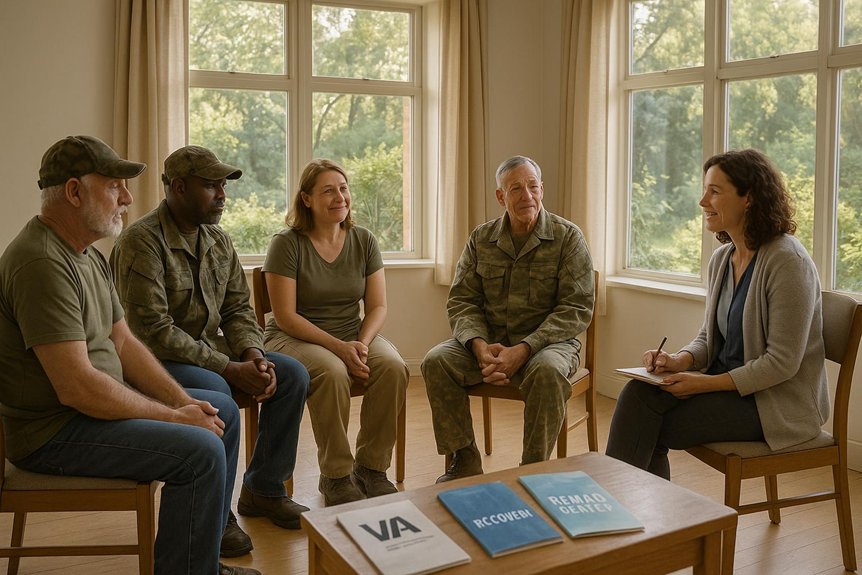
You're exploring options for drug and alcohol rehab for veterans, and it's crucial to understand the unique paths available. The VA offers programs with specialized support tailored to military experiences, while private centers provide flexibility and immediate access. Balancing these choices can feel overwhelming, but you're not alone in this journey. Discovering which path aligns with your needs could be the key to reclaiming control and finding lasting recovery. Curious about how these options stack up?
Understanding the Challenges Veterans Face With Substance Abuse
When tackling substance abuse among veterans, it’s vital to recognize the unique challenges they face. You might struggle with mental health issues, like PTSD, that impact your recovery journey.
Trauma can complicate coping strategies, making it harder to break free from substance dependence. Stigma reduction is significant, as societal perceptions can hinder seeking help.
Trauma complicates coping, hindering recovery; stigma can prevent seeking essential help.
Recovery challenges often include reintegration issues, where adjusting to civilian life feels overwhelming.
Lean on community resources and peer support to navigate these hurdles. Fellow veterans who’ve walked a similar path can offer invaluable insight.
Embrace lifestyle changes that promote healing and growth. Remember, you’re not alone, and there’s a network ready to assist you in overcoming these obstacles, fostering a healthier, more fulfilling future.
How the VA Supports Veterans in Recovery
Discover the extensive support the VA provides to help veterans on their recovery journey. You’ll find a wealth of resources designed to aid your healing, from peer support groups to tailored coping strategies. The VA understands the unique challenges veterans face and offers empathetic guidance to help you regain control. Engaging with fellow veterans who understand your experiences can be a powerful tool in your recovery.
Here’s a glimpse into the VA's support system:
| Support Type | Description |
|---|---|
| Peer Support | Connect with fellow veterans |
| Coping Strategies | Learn personalized techniques |
| Counseling Services | Access professional guidance |
| Educational Workshops | Gain new insights and skills |
| Community Resources | Utilize local support networks |
VA Rehab Programs Explained
Understanding the journey to recovery, the VA offers extensive rehab programs specifically designed for veterans. You’ll find a variety of rehab modalities tailored to meet your unique needs. These programs focus on holistic, evidence-based approaches to healing.
- Individual Therapy: Engage in one-on-one sessions with a dedicated therapist who understands your military background and personal struggles.
- Group Therapy: Share your experiences with fellow veterans, gaining strength and insight from others who truly get it.
- Specialized Programs: Access targeted treatments like PTSD-focused care, ensuring your entire well-being is addressed.
Treatment duration varies, allowing you to recover at your own pace.
Whether you need short-term intervention or long-term support, the VA stands by your side, committed to guiding you toward a healthier future.
Benefits of Choosing VA Treatment Options
Choosing VA treatment options provides you with extensive care that's specifically designed for veterans.
You'll find support programs tailored to your unique experiences, ensuring you feel understood and valued.
Plus, the integration of medical services means you get seamless, holistic care for both physical and mental health needs.
Comprehensive Care Access
Accessing extensive care through VA treatment options offers veterans a unique blend of support and resources tailored specifically to their needs.
You’ll find a system designed with empathy and understanding, providing:
- Peer Support & Trauma-Informed Care: Connect with those who truly get it. These programs focus on cultural competency and offer safe spaces for sharing experiences.
- Comprehensive Recovery Resources: Benefit from community outreach initiatives, coping strategies, and life skills training. These resources help build resilience and foster long-term recovery.
- Motivational Interviewing & Relapse Prevention: Engage in techniques that help sustain your commitment. Strong support networks are essential, guiding you through challenges and preventing setbacks.
Choosing VA options means accessing a holistic care approach that truly understands and supports your journey.
Veteran-Centric Support Programs
When you choose VA treatment options, you're embracing a support system specifically designed for veterans. You’ll find peer support essential in connecting with others who understand your journey.
Community outreach initiatives help build bridges, while skill development programs focus on providing coping strategies and mentorship programs. These resources guide you through challenges and celebrate progress.
Transitional housing offers stability during recovery, and family involvement guarantees your loved ones are part of the healing process.
Employment assistance helps you regain independence, offering pathways to meaningful work. Social reintegration programs foster a sense of belonging, and wellness workshops encourage holistic health.
Integrated Medical Services
Steering the path to recovery becomes more manageable with integrated medical services from VA treatment options. You’ll find that integrated care means you’re not facing this journey alone.
The VA’s medical collaboration guarantees every aspect of your health is addressed through holistic integration, creating treatment synergy that’s essential for success. A thorough assessment allows for precise targeting of your needs, especially with dual diagnosis cases.
Need Help Finding Treatment?
Our specialists can help you find the right substance abuse treatment program. Free, confidential, available 24/7.
Get Help Today: (855) 410-4488Here’s what you can expect:
- Recovery Continuity: Seamless shifts between treatments provide stability and confidence.
- Supportive Interventions: Tailored approaches help you tackle specific challenges, offering a personalized touch.
- Holistic Integration: Your mental, physical, and emotional health are treated as one, making sure no part of you is overlooked.
Together, these elements pave the way for lasting recovery.
Why Private Rehab Centers May Be Right for Veterans
You might find that private rehab centers offer a unique advantage with personalized treatment plans tailored just for you.
They provide flexible scheduling options, making it easier to fit your recovery into your life.
Plus, their holistic care approaches address not just the addiction, but your overall well-being.
Personalized Treatment Plans
Although the shift from military to civilian life can be challenging, private rehab centers offer personalized treatment plans that address veterans' unique needs. You'll find that these facilities focus on individualized therapy and tailored interventions, helping you navigate your journey to recovery effectively.
Here's what you can expect:
- Individualized Therapy Sessions: Engage in therapy designed just for you, focusing on your personal experiences and triggers.
- Tailored Interventions: Benefit from strategies crafted to fit your specific situation, ensuring you get the most effective care.
- Holistic Support: Experience a thorough approach that may include art therapy, meditation, or fitness programs, enhancing your mental and physical well-being.
Choosing a private rehab center means embracing a path that prioritizes your unique story and healing needs.
Flexible Scheduling Options
While shifting to civilian life, veterans often face unique scheduling challenges, making flexibility in rehab programs essential. You might be juggling work, family, or educational commitments, and rigid schedules can be a barrier to getting the help you need.
Private rehab centers offer flexible hours and adaptive programs tailored to fit your busy life.
These programs allow you to receive treatment without sacrificing your personal responsibilities, providing a supportive environment that respects your time. By choosing a facility that understands your needs, you can focus on recovery while maintaining control over your schedule.
It’s about finding a balance that works for you, ensuring you get the most out of your treatment journey. This flexibility can make all the difference in your recovery.
Holistic Care Approaches
When exploring treatment options, considering a holistic care approach can be incredibly beneficial for veterans. Private rehab centers often offer a wide range of therapies tailored to nurture your mind, body, and spirit.
Imagine engaging in:
- Mindfulness Practices and Meditation Techniques: These help you find peace and clarity, grounding your thoughts and emotions.
- Equine and Nature Therapy: Connect with animals and the outdoors, fostering healing through unique, therapeutic interactions.
- Art and Group Therapy: Express yourself creatively and find support in shared experiences, building connections with others.
Additional offerings like yoga sessions, spiritual counseling, nutritional support, and physical fitness are integral for thorough recovery.
Embracing these diverse methods can support your journey to wellness, helping you rediscover strength and balance.
Comparing VA and Private Rehab: Key Differences
Understanding the key differences between VA and private rehab can help you make an informed decision about your recovery journey.
VA rehab programs are often tailored to veterans, focusing on military-specific issues, but they may have longer wait times. Treatment duration can vary, and the effectiveness often depends on how well these programs align with your unique needs.
Tailored for veterans, VA rehab addresses military-specific issues but may involve longer wait times.
Private rehab centers, on the other hand, might offer more immediate access and diverse treatment options. They can be more flexible with program lengths, potentially enhancing rehab effectiveness.
However, costs can be higher, and insurance coverage varies. Ultimately, considering what matters most to you—whether it’s specialized care, immediate access, or cost—will guide you to the right choice for your path to recovery.
Key Criteria for Choosing a Rehab Program
When you're choosing a rehab program, it's essential to verify the facility has proper accreditation, as this guarantees a standard of care you can trust.
Look for programs that offer veteran-specific support services, as these are tailored to address the unique challenges you've faced.
Treatment Program Accreditation
Accreditation acts as a seal of trust when choosing a rehab program for veterans. It guarantees the program meets rigorous treatment standards and is evaluated by recognized accreditation bodies. This process involves:
- Quality Assurance: Programs undergo thorough program evaluations, confirming they adhere to certification criteria and compliance measures. This assures evidence-based practices are in place.
- Staff Qualifications: Accredited programs employ qualified staff, trained to provide the best care. Their skills are regularly assessed to maintain high standards.
- Oversight and Funding: With oversight mechanisms in place, programs maintain transparency about funding sources and operations.
Choosing an accredited program offers peace of mind, knowing the facility is committed to excellence and providing the best support for veterans on their recovery journey.
Veteran-Specific Support Services
Selecting a rehab program for veterans isn't just about accreditation; it's also about finding services that truly understand and address their unique needs.
You’ll want a program that offers peer support, so you can connect with others who’ve walked in your shoes. Adjustment programs ease the shift back into civilian life, focusing on community integration and employment resources.
Mental health services and trauma-informed care are essential, addressing issues like PTSD and depression. Family therapy helps rebuild relationships, offering a support network beyond the program.
Look for outreach initiatives that keep you engaged and supported even after you leave. These elements create an all-encompassing approach, ensuring you’re not just treated, but genuinely supported on your journey to recovery.
The Role of Family and Community in Veteran Recovery
Although the journey to recovery can be challenging, the support of family and community plays an essential role in a veteran's healing process. Your loved ones are important for fostering emotional resilience and effective communication strategies.
Families can benefit from education programs to better understand the recovery journey.
Community support is significant too. Here’s how it helps:
- Peer Connections: Engage with others who understand your experiences through group therapy.
- Resource Accessibility: Access local resources that facilitate social reintegration and stigma reduction.
- Family Involvement: Encourage active participation in recovery, enhancing emotional bonds.
Financial Assistance and Insurance for Rehab
When considering rehab options, understanding financial assistance and insurance is essential to easing the burden of costs. You’re not alone in managing this process. Financial assistance options and insurance coverage considerations can make rehab more accessible. Explore VA benefits, which often provide extensive coverage for eligible veterans. Additionally, private insurance might cover some or all rehab costs, depending on your plan. Investigating these options can lead to significant savings.
Here's a quick overview:
| Financial Assistance Options | Insurance Coverage Considerations |
|---|---|
| VA Benefits | Policy Limits |
| State Programs | In-Network Providers |
| Non-Profit Support | Deductibles |
| Scholarships | Co-Payments |
| Sliding Scale Fees | Pre-Authorization Requirements |
Taking time to understand these options can help you find the best path forward.
How to Personalize Treatment for Veterans
Understanding how to personalize treatment for veterans involves recognizing their unique experiences and needs. You’re not just addressing addiction; you’re considering the whole veteran. Here’s how to create a supportive environment:
- Trauma-Informed Care: Acknowledge the impact of military experiences. Develop strategies that address trauma without re-traumatizing veterans.
- Cultural Competency: Embrace military culture. Understand their values and language, ensuring they feel respected and understood.
- Individualized Plans: Tailor treatment to each veteran's history and personality. What works for one mightn't work for another.
Rehab Success Stories: Veterans Who Reclaimed Their Lives
For many veterans, overcoming addiction is a profound journey of resilience and transformation. You’ll find inspiration in the veteran testimonials that highlight incredible recovery journeys. Each story is unique, yet they all share a common theme of courage and determination.
Imagine reading about a fellow veteran who, after years of struggle, embraced the support of rehab programs and reclaimed a fulfilling life. These success stories show that recovery isn’t just possible—it’s achievable with the right support and resources.
Veteran testimonials provide hope and motivation, illustrating that you’re not alone on this path. They demonstrate how veterans have navigated challenges and emerged stronger.
Accessing Immediate Help for Veterans in Crisis
While it can feel overwhelming, accessing immediate help for veterans in crisis is essential and more straightforward than you might think.
You're not alone in this, and there are resources ready to support you. Here’s how you can get immediate crisis intervention:
You're not alone; resources are ready to support you with immediate crisis intervention.
- VA Crisis Line: Call 1-800-273-8255 and press 1. This line is available 24/7 for veterans needing urgent support.
- Emergency Room: If you're in immediate danger, visit the nearest emergency room. They're equipped to handle mental health crises.
- Veterans Centers: These offer confidential counseling and can connect you with emergency resources right away.
Reaching out is a brave step.
Support is closer than you realize, and it's okay to ask for help when you need it.
Practical Steps for Sustaining Sobriety
Achieving sobriety is a significant milestone, but maintaining it requires ongoing effort and commitment. To prevent relapse, lean on support networks and embrace lifestyle changes.
Engage in community involvement to build new, positive connections. Develop coping strategies and stress management techniques to navigate daily challenges. Mindfulness practices, such as meditation, can help enhance emotional resilience and keep you grounded.
Consider finding accountability partners or peer mentorship for guidance and encouragement. They can offer valuable insights and help you stay on track.