Stimulant Addiction Treatment: Recovery From Cocaine Meth and Prescription Stimulants
Atrium Addiction Care Staff
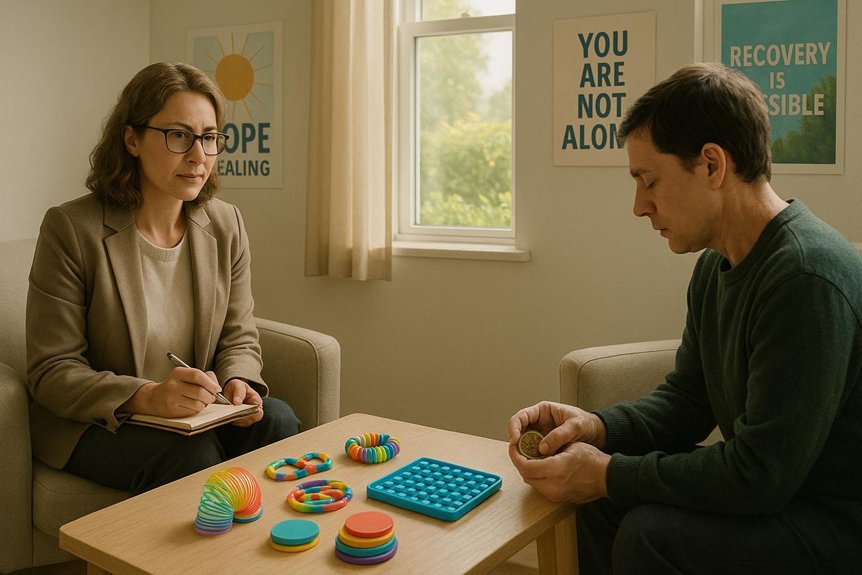
You're facing a critical journey in recovering from stimulant addiction, whether it's cocaine, meth, or prescription stimulants. It’s essential to approach this with strategies that address both your physical and psychological needs. You’ll explore therapies like CBT and mindfulness, which can reshape negative patterns and boost self-awareness. Building a strong support network can provide crucial accountability. As you navigate withdrawal and cravings, professional guidance becomes invaluable. Ready to discover more about paving your path to recovery?
How Stimulant Addiction Affects Your Life
When you're dealing with stimulant addiction, it profoundly disrupts various aspects of your life. Health consequences are immediate, affecting your heart and increasing the risk of stroke.
You might notice cognitive impairment, making everyday tasks challenging. Social isolation often follows, as relationships strain under the weight of addiction. Loved ones may distance themselves, unable to cope with the changes they see in you.
Financial impact is significant; maintaining a drug habit drains your resources, leading to mounting debts. Legal issues can arise if you're caught possessing or distributing stimulants, complicating your situation further.
It’s crucial to recognize these challenges as they accumulate, creating a cycle that's hard to break without the right support and treatment.
Dealing With Withdrawal and Cravings First
Facing withdrawal and cravings is often the initial hurdle in overcoming stimulant addiction. You’ll experience withdrawal symptoms like fatigue, depression, and intense cravings, challenging your resolve.
Need Help Finding Treatment?
Our specialists can help you find the right substance abuse treatment program. Free, confidential, available 24/7.
Get Help Today: (855) 410-4488Understanding these symptoms is essential, as they’re your body’s response to the absence of stimulants. It’s important to approach this phase with a plan for cravings management. Techniques such as mindfulness, physical activity, and supportive counseling can greatly help.
Remember, you’re not alone in this journey. Engaging with professionals who offer evidence-based strategies can make a difference. They’ll guide you through tailored interventions that address both physical and psychological aspects.
Explore Cutting-Edge Therapies
After addressing withdrawal symptoms and cravings, it's time to broaden your recovery toolkit by exploring cutting-edge therapies.
Neurofeedback therapy can be a powerful ally in your journey. By training your brain to regulate itself, neurofeedback helps reduce impulsivity and improve focus, essential for overcoming stimulant addiction. It's a non-invasive method that uses real-time brain activity to promote healthier patterns.
Cognitive Behavioral Therapy (CBT) is another evidence-based approach that targets negative thought patterns. CBT empowers you to replace these thoughts with constructive ones, reducing the risk of relapse.
Through structured sessions, you'll develop coping strategies and resilience.
Both therapies offer personalized, effective ways to strengthen your recovery, supporting long-term change. Embrace these tools as you move forward with confidence and hope.
Creating a Personalized Support Network
Building a personalized support network is essential to your recovery journey. It provides the stability and encouragement you need to navigate challenges.
Embrace friendship dynamics that foster trust and empathy. Surround yourself with those who genuinely understand your goals and struggles.
Consider these key elements:
- Accountability Partners: Choose individuals who’ll keep you accountable and motivated. Their support can be vital in moments of doubt.
- Family Involvement: Engage family members who can offer emotional support and celebrate your milestones, reinforcing your progress.
- Peer Support Groups: Connect with others on similar paths. Shared experiences can strengthen resilience and provide valuable insights.
Tackling Mental Health in Recovery
Addressing mental health is essential in your recovery journey, as it directly influences your ability to overcome addiction. Developing emotional resilience is vital, allowing you to respond effectively to challenges.
Incorporating mindfulness practices can help you stay grounded, promoting self-awareness and reducing anxiety. These practices aren't just about relaxation; they're evidence-based strategies that enhance your cognitive flexibility and emotional regulation.
Engage with a therapist who understands the nuances of stimulant addiction. They'll guide you in identifying underlying mental health issues, offering tailored interventions.