Suboxone Treatment: How Medication Assisted Therapy Works for Opioid Addiction
Atrium Addiction Care Staff
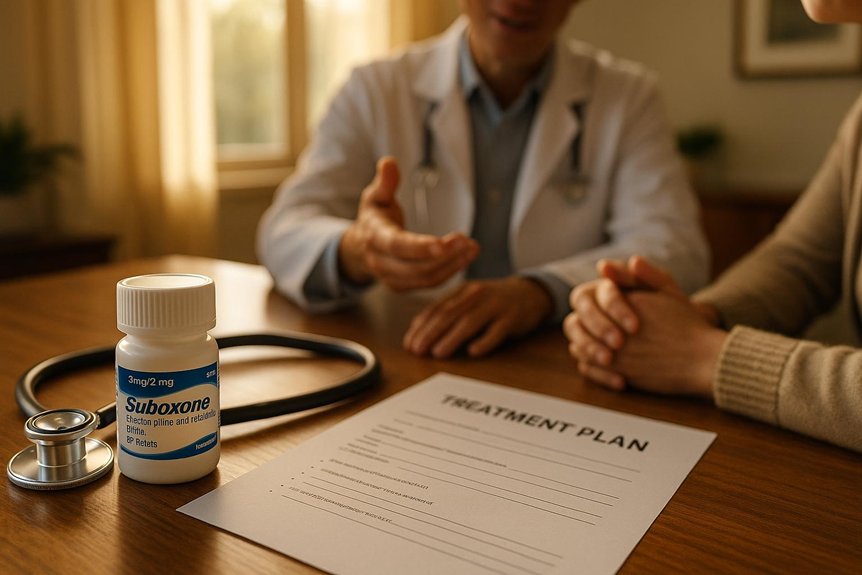
You're exploring a crucial path to recovery: Suboxone treatment for opioid addiction. This medication-assisted therapy combines buprenorphine and naloxone to ease withdrawal and curb cravings, offering a safer recovery journey. It’s not just about managing symptoms; it’s about transforming lives with holistic support. Imagine a compassionate approach that stabilizes mood and fosters long-term resilience. Ready to discover how this therapy can change perceptions and create real success in addiction recovery?
What Is Suboxone and How Does It Work?
Suboxone, a combination of buprenorphine and naloxone, is a medication used to treat opioid addiction effectively. It reduces cravings and withdrawal symptoms, offering a safer path to recovery.
You might've heard misconceptions about its use, but understanding Suboxone's history shows its benefits in supporting long-term recovery. Introduced in the early 2000s, it has transformed lives with its accessibility and effectiveness.
While some worry about side effects, they’re generally mild and manageable. Alternatives like methadone exist, but Suboxone often offers a more flexible approach.
Side effects are typically mild; Suboxone offers a flexible alternative to methadone for opioid addiction treatment.
It's essential to consult healthcare providers to choose the best option for your situation. By focusing on evidence-based treatment, you empower yourself with knowledge and hope on your journey to recovery.
Understanding Opioid Addiction and Its Challenges
Understanding opioid addiction requires recognizing the complex challenges it presents. You're dealing with a condition driven by factors like genetics, trauma, and mental health, which all contribute to what causes addiction.
Personal stories reveal the societal impacts, showing how communities and families suffer. Treatment barriers, such as limited access and stigma effects, make recovery difficult. Many face judgment, which discourages seeking help and creates additional recovery challenges.
It's vital to acknowledge the importance of robust support systems that include healthcare providers, family, and peers. Addressing mental health is essential, as it often intertwines with addiction.
Compassionate care and understanding these challenges pave the way for effective treatment and a more supportive societal approach.
Why Suboxone Makes Recovery Easier
You'll find that Suboxone can greatly ease your recovery journey by reducing the severity of withdrawal symptoms, allowing you to focus on healing.
Evidence shows that it effectively minimizes cravings, helping you regain control over your life.
Need Help Finding Treatment?
Our specialists can help you find the right substance abuse treatment program. Free, confidential, available 24/7.
Get Help Today: (855) 410-4488With clinical support, Suboxone offers a compassionate approach to overcoming opioid addiction.
Reducing Withdrawal Symptoms
When battling opioid addiction, facing withdrawal symptoms can feel overwhelming, but relief is possible with the right treatment. Suboxone plays an essential role in easing these symptoms through effective detox strategies. This medication helps balance brain chemistry, reducing the intensity of withdrawal.
Here’s how it makes recovery more manageable:
- Stabilizes Mood: Suboxone restores neurotransmitter levels, minimizing mood swings and emotional distress.
- Reduces Physical Symptoms: By binding to opioid receptors, it alleviates physical discomfort, such as muscle aches and nausea.
- Ensures Safe Changeover: A tailored medication balance allows for a smoother changeover during detox, reducing potential relapse risks.
With clinical support and compassionate care, Suboxone can make your recovery journey more comfortable and achievable.
Minimizing Cravings Effectively
While overcoming opioid addiction, cravings can pose a significant challenge, but Suboxone effectively minimizes these urges, making recovery more attainable.
Suboxone works by binding to opioid receptors, reducing the impact of craving triggers. This mechanism not only eases the intensity of cravings but also supports your brain's recovery process. By stabilizing neurochemical imbalances, Suboxone allows you to focus on developing coping strategies without constant distraction from urges.
As you navigate recovery, integrating behavioral therapies with Suboxone can further enhance your resilience against cravings. Learning to identify craving triggers and implementing personalized coping strategies, like mindfulness or exercise, empowers you to manage cravings effectively.
This thorough approach guarantees you're not just surviving recovery but actively thriving in it.
Navigating Suboxone Treatment
When you're starting Suboxone treatment, understanding the right dosage is essential for effectiveness and safety.
It's important to work closely with your healthcare provider to manage any withdrawal symptoms and adjust your treatment plan as needed.
Understanding Suboxone Dosage
Steering through Suboxone treatment requires a clear understanding of its dosage. It’s essential to guarantee effective Suboxone administration tailored to your unique needs. Here’s what you should know:
1. Initial Dosage: Your healthcare provider will determine a starting dose based on your opioid use history and withdrawal symptoms. Typically, it begins at a lower level to gauge your response.
2. Dosage Adjustments: As you progress, Dosage Adjustments are common. These tweaks aim to find the ideal balance, minimizing cravings and side effects.
Trust your provider’s expertise in this process.
3. Maintenance Phase: Once stabilized, you’ll move to a maintenance dose. This phase focuses on long-term recovery support, ensuring you stay on track without the risk of relapse.
Understanding these steps guarantees a smoother treatment journey.
Managing Withdrawal Symptoms
| Symptom | Suboxone Effect | Benefit |
|---|---|---|
| Cravings | Reduced | Easier control |
| Nausea | Alleviated | Comfort improved |
| Anxiety | Decreased | Mental relief |
| Insomnia | Managed | Better sleep |
| Pain | Relieved | Physical ease |
Your healthcare provider tailors your treatment to address specific symptoms, ensuring a smoother shift. It’s essential to follow prescribed guidelines and communicate openly with your provider. They’ll adjust your dosage as needed, optimizing symptom relief. Remember, support is available, and you’re not alone in this process.
Real-Life Success With Suboxone
Countless individuals have found hope and healing through Suboxone treatment for opioid addiction. Real-life success stories highlight how this therapy can transform lives.
Patient testimonials often reveal the power of Suboxone in reducing cravings and stabilizing daily life. Community support also plays a vital role, providing encouragement and a sense of belonging during recovery.
Here’s how Suboxone can lead to success:
- Patient Testimonials: Many share how Suboxone has helped them regain control, illustrating its effectiveness and the journey towards recovery.
- Community Support: Engaging with supportive networks enhances motivation and provides essential emotional backing.
- Clinical Expertise: Suboxone, when combined with professional guidance, offers a structured path to overcoming addiction.
Your journey with Suboxone can lead to a healthier, more fulfilling life.
Breaking Stigma: How Suboxone Changes Perceptions in Addiction Therapy
Although stigma surrounding addiction therapy persists, Suboxone is changing perceptions by demonstrating its effectiveness and safety in treating opioid addiction. You’ll find that stigma reduction is essential for individuals seeking help. By embracing Suboxone, you’re participating in changing narratives that highlight recovery as achievable and sustainable.
| Perceptions Before Suboxone | Perceptions After Suboxone | Impact on Recovery |
|---|---|---|
| High stigma | Reduced stigma | Increased access |
| Misunderstanding | Clarity | Better outcomes |
| Relapse fear | Confidence | Sustained recovery |
Clinical evidence supports Suboxone’s role in reducing relapse rates and improving quality of life. By choosing this treatment, you’re part of a movement that shifts perspectives, treating addiction as a manageable condition rather than a moral failure.