Opioid Rehab Centers: How to Find the Right Treatment Program
Atrium Addiction Care Staff
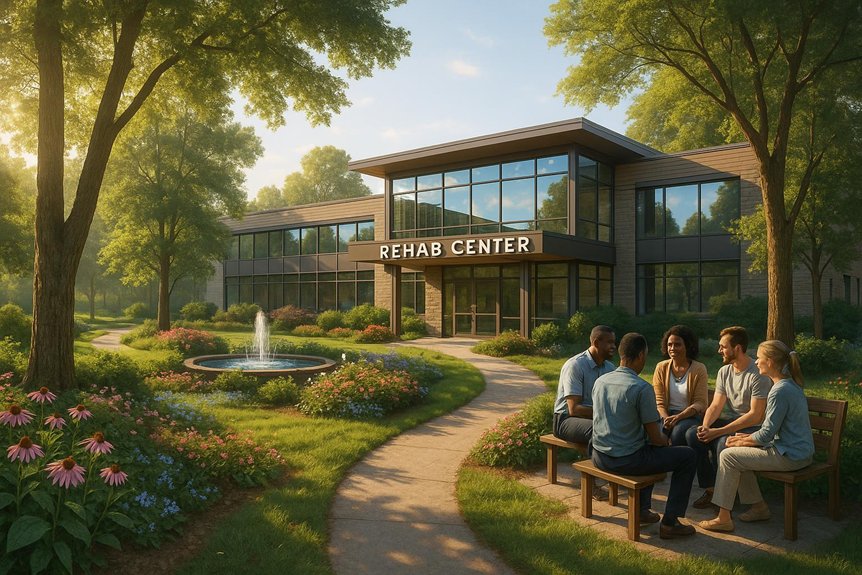
Finding the right opioid rehab center can feel overwhelming, but it's vital for your recovery journey. You'll want to focus on programs that cater to both your physical and psychological needs. Accredited facilities with experienced medical staff and evidence-based treatments like medication-assisted therapy are necessary. Don't overlook holistic approaches and robust aftercare options. It's all about creating a supportive environment tailored to your goals. But how do you guarantee these elements align with your needs?
Opioid Addiction: Understanding the Impact
While opioid addiction grips countless lives, understanding its impact is crucial to tackling this crisis. You’ll find that the opioid effects are profound, altering brain chemistry and leading to intense physical and psychological dependence. According to addiction statistics, millions face this challenge, with a staggering increase in overdose deaths over the past decade.
Recognizing the symptoms early can make a significant difference. Opioids often create a cycle of euphoria followed by withdrawal, which perpetuates use.
Early recognition of symptoms can interrupt the cycle of euphoria and withdrawal, curbing ongoing opioid use.
The social and economic implications are equally severe, affecting families and communities. It’s essential to approach this issue with empathy, offering support and treatment to those in need.
Your understanding can help break the stigma, paving the way for effective solutions and recovery pathways.
Essential Features of Top Rehab Programs
When you're considering top rehab programs, it's essential to focus on those offering a thorough care approach that addresses both physical and psychological needs.
Guarantee the facility has qualified medical staff who can provide evidence-based treatments and compassionate support. This combination greatly enhances the chances of successful recovery by addressing the complex nature of opioid addiction.
Comprehensive Care Approach
A thorough care approach is essential in top opioid rehab programs, ensuring you receive holistic and personalized treatment. By integrating holistic therapies like mindfulness, yoga, and art therapy, these programs address not just the physical aspects of addiction, but also emotional and psychological needs.
This all-encompassing strategy promotes healing and resilience, empowering you to rebuild your life.
Aftercare planning is equally important. It prepares you for challenges post-rehab, offering continued support through counseling, support groups, and relapse prevention strategies.
This ongoing care is evidence-based, greatly enhancing long-term recovery outcomes. By focusing on every facet of your well-being, a holistic care approach fosters a sustainable path to recovery, helping you regain control and achieve lasting health.
Need Help Finding Treatment?
Our specialists can help you find the right substance abuse treatment program. Free, confidential, available 24/7.
Get Help Today: (855) 410-4488Qualified Medical Staff
Having qualified medical staff is indispensable in top opioid rehab programs. You need professionals with solid medical qualifications who understand addiction's complexities. These experts guarantee that you receive thorough, evidence-based care tailored to your needs.
Staff training is essential; it keeps the team up-to-date with the latest treatment protocols and therapeutic techniques. When medical professionals are well-trained, they can better manage withdrawal symptoms, reducing discomfort and improving your overall experience.
Empathy is a key component of their approach. It helps build trust and encourages open communication, which is crucial for successful recovery. Look for programs where the staff isn't just clinically skilled but also compassionate.
Their dedication and expertise are central to guiding you through your recovery journey safely and effectively.
Why Accreditation Matters in Rehab Centers
When choosing a rehab center, you want assurance that it meets high-quality standards, and that's where accreditation comes in.
Accredited centers adhere to rigorous guidelines, ensuring effective and safe treatment, which can help build your trust and confidence in their services.
Ensuring Quality Standards
While seeking treatment for opioid addiction, understanding the significance of accreditation can be essential. Accredited rehab centers uphold rigorous standards, ensuring treatment efficacy and patient satisfaction.
Here’s why accreditation matters:
- Quality Assurance: Accredited centers adhere to evidence-based practices, ensuring you receive the highest standard of care.
- Professional Staff: Accreditation guarantees that staff are qualified and continuously trained, enhancing treatment outcomes.
- Safety Protocols: These centers follow stringent safety measures, creating a secure environment for recovery.
- Continuous Improvement: Accredited facilities regularly evaluate and improve their programs, ensuring they meet evolving healthcare standards.
Building Trust and Credibility
Accreditation plays a pivotal role in establishing trust and credibility for rehab centers. When a center is accredited, it means they’ve met rigorous standards set by independent organizations. These standards guarantee quality care and effective trust building techniques. You’re confident that the center is committed to providing safe and ethical treatment.
Accreditation involves a thorough credibility assessment, examining everything from staff qualifications to treatment protocols. Knowing a center is accredited allows you to place your trust in their services, reducing anxiety and uncertainty.
It’s not just a badge; it’s a promise of excellence and reliability. By choosing an accredited facility, you’re making a well-informed decision that prioritizes your or your loved one’s health and recovery journey.
Best Therapy Options for Recovery
Recovering from opioid addiction requires a multifaceted approach, and selecting the best therapy options is vital for a successful journey. Evidence shows that combining different therapies can bolster recovery.
Selecting the right therapy combination is crucial for a successful opioid addiction recovery journey.
Here are key therapies to take into account:
- Cognitive Behavioral Therapy (CBT): CBT helps you identify and change negative thought patterns. It's effective in managing triggers and cravings.
- Group Therapy: Sharing experiences in a group setting fosters connection and support. It reduces feelings of isolation and builds a sense of community.
- Medication-Assisted Treatment (MAT): Combining medications like buprenorphine with therapy can improve outcomes.
- Mindfulness-Based Therapies: Techniques like meditation and yoga enhance self-awareness and emotional regulation, vital for long-term recovery.
Choosing the right combination of therapies can transform your path to sobriety.
Tailoring Treatment: Personalized Care Strategies
Understanding that each individual's journey to recovery is unique, personalized care strategies become essential in opioid rehab. You'll find that personalized assessments are the starting point.
These evaluations help professionals understand your specific needs and challenges. By focusing on your unique circumstances, they can develop individualized goals that align with your personal recovery vision.
Evidence shows that when treatment is customized, your chances of success greatly increase. You'll work closely with a team to adjust these goals as you progress, ensuring the plan evolves with you.
This approach not only addresses the physical aspects of addiction but also considers emotional and psychological needs. Remember, the key is finding a program that prioritizes your personal path, supporting you every step of the way.
Building a Support System for Lasting Recovery
A robust support system is essential for lasting recovery, as it provides the emotional and practical foundation you need. Building this network involves several key elements:
- Peer Support: Connect with others who understand your journey. They offer empathy and shared experiences, fostering emotional wellness.
- Family Involvement: Engage your family in the process. Their support and understanding are vital for relapse prevention and overall recovery.
- Community Resources: Utilize local groups and services to strengthen your recovery. These can include holistic therapies that address body and mind.
- Aftercare Planning: Develop a thorough plan post-rehab. Include accountability partners who help maintain progress and navigate challenges.
Key Questions to Ask Your Rehab Center
How do you choose the right rehab center for your needs? Start by asking insightful questions to gauge if a facility aligns with your treatment program criteria.
Inquire about their accreditation and the qualifications of staff. Ask about the types of therapies offered and whether they tailor programs to individual needs.
Check their accreditation and staff qualifications. Ensure therapies are personalized to fit individual needs.
It’s important to know their success rates and how they measure progress. Don’t forget to explore aftercare support, as it’s essential for long-term recovery.
Consider the rehab center’s approach to family involvement and how they handle relapses. Transparency in costs and insurance acceptance is crucial.