Prescription Drug Abuse: Causes Warning Signs and How to Get Help
Atrium Addiction Care Staff
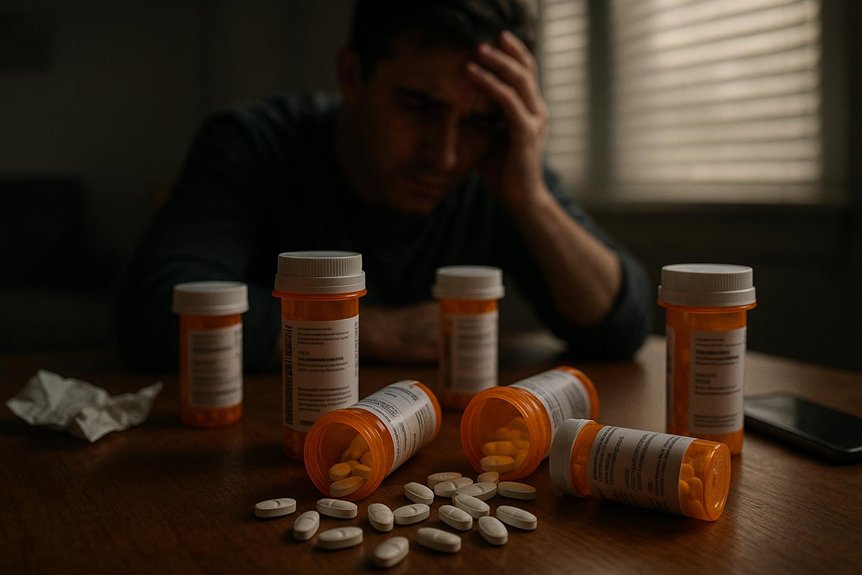
You might wonder how prescription drug abuse begins, often rooted in genuine medical needs like managing pain or anxiety. It can escalate due to peer influence and easy access. Recognizing signs like mood swings and neglect of responsibilities is essential. Understanding who's at risk and exploring treatment options are key steps. So, how can you and your community address this growing concern effectively?
Understanding Prescription Drug Abuse
When exploring prescription drug abuse, it’s vital to understand how it starts and why it’s a growing concern. You might look at the drug history of commonly abused medications like opioids, benzodiazepines, and stimulants. These drugs were originally developed for legitimate medical purposes, but their misuse has escalated over time.
The societal impact is significant, affecting public health, increasing healthcare costs, and straining resources. You’ll find that misuse often leads to addiction, which affects families and communities.
It’s important to examine how societal factors, such as availability and social acceptance, contribute to the problem. Understanding these elements helps in developing effective prevention and intervention strategies, making you part of a broader effort to tackle this complex issue.
How Does Prescription Drug Abuse Start?
Although prescription drug abuse can start in various ways, it often begins with a legitimate medical need. You might receive a prescription for pain management or anxiety, and over time, dependency can develop. Initial triggers such as stress or chronic pain can lead you to misuse medication. Peer influence plays a significant role; seeing friends misuse drugs might normalize the behavior.
Here's a quick overview:
| Factor | Description | Impact |
|---|---|---|
| Medical Need | Prescription for legitimate health issues | Potential dependency |
| Initial Triggers | Stress, chronic pain | Misuse of medication |
| Peer Influence | Friends misusing drugs | Normalization of misuse |
| Accessibility | Easy access to medications | Increased abuse risk |
| Misunderstanding | Belief that prescriptions are always safe | Overuse and addiction |
Understanding these factors helps identify how abuse starts.
Why Do People Turn to Prescription Drugs?
Why do individuals often turn to prescription drugs? People may seek these medications for various reasons, often influenced by self-medication motives and societal pressures. Here are some common factors:
- Self-Medication Motives: You might use prescription drugs to manage physical pain or untreated mental health issues, believing they’ll provide relief.
- Societal Pressures: The pressure to perform well at work or school can drive you to use stimulants for enhanced focus or energy.
- Accessibility: Prescription drugs are often easy to obtain through legal prescriptions or from friends and family, making them more appealing.
- Perceived Safety: Since these drugs are prescribed by healthcare professionals, you might assume they're safer than illicit substances, increasing their misuse.
Understanding these factors is essential in addressing prescription drug abuse.
Commonly Abused Prescription Medications
You’ll find that commonly abused prescription medications include opioids for pain relief, sedatives for anxiety management, and stimulants for focus enhancement.
These drugs can be effective when used correctly, but they also carry a high risk of misuse due to their addictive properties.
Understanding these categories helps you recognize the potential for abuse and the importance of responsible use.
Opioids and Pain Relief
When it comes to managing pain, opioids often stand out as a significant option, yet they're also among the most commonly abused prescription medications.
If you're dealing with chronic pain, it's essential to understand both the benefits and risks associated with opioids. Exploring opioid alternatives can help manage pain effectively while reducing the risk of dependency.
Consider these points:
- Consultation: Always consult with a healthcare provider before starting or stopping any pain management plan.
- Alternatives: Investigate non-opioid medications and therapies, such as physical therapy or acupuncture, for chronic pain relief.
- Monitoring: Regularly review your treatment plan to verify it's effective and safe.
- Education: Stay informed about the potential for addiction and the signs of misuse.
Understanding these factors can help you make informed decisions about pain management.
Sedatives and Anxiety Management
Although sedatives can be effective in managing anxiety, they also carry a risk of misuse and dependency. When anxiety triggers become overwhelming, sedatives like benzodiazepines may seem like a quick fix. However, over-reliance can lead to sedative misuse, impacting your health and well-being.
Understanding the underlying anxiety triggers is vital. Identifying stressors and developing coping strategies can reduce the need for medication.
Sedative misuse often starts when individuals increase their dosage without consulting a healthcare professional. This behavior can escalate into physical dependence and withdrawal symptoms.
It's essential to follow your doctor’s guidance and discuss any concerns. Exploring non-pharmacological approaches, such as therapy or lifestyle changes, can also help manage anxiety effectively and minimize the risks associated with sedative use.
Stimulants and Focus Enhancement
While stimulants are often prescribed to enhance focus and manage conditions like ADHD, they also pose a significant risk for abuse. You might find yourself drawn to these medications due to cognitive enhancement needs or academic pressure.
These drugs promise to boost productivity, but they can lead to dependency and negatively impact mental health. Social expectations and peer influence often push individuals to misuse stimulants, especially in high-stress environments.
Here are some factors contributing to stimulant abuse:
- Academic Pressure: Feeling the need to excel can drive misuse.
- Productivity Demands: Work environments may pressure you to perform beyond limits.
- Performance Anxiety: Fear of underperforming can lead to reliance on stimulants.
- Stress Management: Using stimulants to cope with stress can create a harmful cycle.
Who Is Most at Risk for Prescription Drug Abuse?
Certain groups are more vulnerable to prescription drug abuse due to various risk factors. You’ll find that high risk demographics often include young adults and the elderly.
Need Help Finding Treatment?
Our specialists can help you find the right substance abuse treatment program. Free, confidential, available 24/7.
Get Help Today: (855) 410-4488Socioeconomic factors like poverty or unemployment can increase susceptibility as individuals seek coping mechanisms. Mental health issues, such as depression or anxiety, also elevate the risk, as medications might appear as quick solutions.
If you have a family history of substance abuse, this can predispose you to similar patterns. Peer influence plays a significant role, especially among teenagers who might face pressure to misuse prescriptions.
Accessibility issues, such as easy access to medications through healthcare professionals or family members, further heighten the risk. Understanding these factors can help in identifying and supporting those most at risk.
Recognizing Physical and Emotional Signs of Abuse
Understanding who's most at risk for prescription drug abuse lays the groundwork for recognizing the physical and emotional signs that may indicate a problem.
Identifying those at risk helps in spotting early signs of prescription drug abuse.
You’ll notice changes in behavior and mood that can be alarming. Identifying these signs early can make a difference in seeking help.
Here are some key indicators:
- Physical Symptoms: Look for changes like drowsiness, weight loss, or unusual sweating.
- Emotional Triggers: Be aware of sudden mood swings, increased anxiety, or depression.
- Behavioral Changes: Notice if there's a decline in work performance or neglect of responsibilities.
- Social Withdrawal: Pay attention if someone isolates themselves from friends and family.
Recognizing these signs can guide you in supporting someone toward recovery.
How Prescription Drug Abuse Affects Families
When prescription drug abuse enters a family, its impact can be profound and far-reaching. You might notice shifts in family dynamics as roles and responsibilities change.
The emotional impact is significant, often leading to increased stress and anxiety. Communication breakdowns occur, making it difficult to address issues openly.
Financial strain can arise due to the cost of drugs and potential loss of income. Trust issues develop, as secrecy and deception become common.
Caregiving challenges surface when supporting a loved one struggling with abuse. The stigma effects can isolate the family from their community, adding to the burden.
Relationship strain intensifies as conflicts and misunderstandings grow. Addressing these challenges requires awareness and proactive support within the family unit.
How Can Healthcare Providers Help Prevent Abuse?
Healthcare providers play an essential role in preventing prescription drug abuse by implementing effective strategies and practices. You can contribute greatly by focusing on these areas:
- Screening Tools and Risk Assessment: Use reliable screening tools to identify patients at risk. Conduct thorough risk assessments to tailor individual care plans.
- Patient Education and Stigma Reduction: Educate patients about the risks of abuse and work to reduce stigma associated with seeking help for addiction.
- Prescription Monitoring and Safe Prescribing: Utilize prescription monitoring programs to track medication use and guarantee safe prescribing practices.
- Collaborative Care and Community Outreach: Engage in collaborative care with other healthcare professionals and participate in community outreach to raise awareness and provide alternative therapies.
Understanding Risks of Mixing Medications
Mixing medications can pose significant health risks, especially when patients are unaware of potential interactions. Understanding medication interactions is vital because combining drugs can lead to serious health consequences.
For instance, mixing certain medications might enhance or diminish their intended effects, potentially leading to overdose or reduced efficacy. Additionally, some combinations can cause harmful side effects, such as organ damage or increased heart rate.
It's important to consult healthcare providers about all medications you're taking, including over-the-counter drugs and supplements, to avoid dangerous interactions. They can provide guidance on which combinations are safe and which should be avoided.
Being proactive in understanding these risks helps guarantee your safety and the effectiveness of your treatment. Always prioritize open communication with your healthcare team.
Spotting Signs of Dependency
How can you tell if someone is developing a dependency on prescription drugs? Recognizing dependency indicators early can make a difference. Here are some signs to watch for:
Recognizing early signs of prescription drug dependency can make a crucial difference.
- Increased Usage: They might need higher doses to achieve the same effect, indicating tolerance.
- Behavioral Changes: Noticeable shifts in mood or routine might be linked to emotional triggers or withdrawal symptoms.
- Preoccupation with Medication: They spend a lot of time thinking about or obtaining the drug, which can interfere with daily life.
- Neglecting Responsibilities: Missing work or social obligations due to drug use is a red flag.
Spotting these signs early can be essential in addressing the issue effectively. Recognizing these patterns can provide insight into potential dependency.
How to Talk to a Loved One About Substance Abuse
Approaching a loved one about substance abuse can be challenging, but it's essential for their well-being.
Begin by creating a supportive environment where they feel safe and respected. Choose a private setting and a time when you both can talk without interruptions.
Use open communication by expressing your concerns with empathy rather than judgment. Focus on specific behaviors you've observed rather than making accusations.
It's vital to listen actively, allowing them to share their perspective. Encourage them to open up about their struggles, offering reassurance that you're there to help.
Avoid confrontation and instead, foster trust and understanding. By doing so, you can help guide them towards recognizing the problem and exploring solutions together.
Treatment Options for Prescription Drug Addiction
When considering treatment options for prescription drug addiction, you’ll often encounter behavioral therapy approaches that focus on changing patterns and improving coping mechanisms.
Medication-assisted treatment options can also be effective, combining medications with counseling to manage withdrawal symptoms and reduce cravings.
Both methods offer structured support designed to address the complex nature of addiction.
Behavioral Therapy Approaches
While tackling prescription drug addiction, behavioral therapy approaches play an essential role in recovery. You’ll find these methods focus on changing thought patterns, behaviors, and developing coping strategies. Here’s how they help:
- Cognitive Restructuring and Behavioral Modification: These techniques help you identify and change harmful thoughts and behaviors related to drug use.
- Mindfulness Techniques and Skills Training: By practicing mindfulness, you learn to manage cravings and stress, while skills training equips you with tools to handle daily challenges.
- Family Therapy and Motivational Interviewing: Engaging family support and enhancing your motivation can strengthen commitment to recovery.
- Contingency Management and Relapse Prevention: These strategies provide incentives for staying drug-free and teach you how to avoid triggers and maintain sobriety.
Medication-Assisted Treatment Options
Although tackling prescription drug addiction can be challenging, medication-assisted treatment (MAT) offers effective solutions. MAT combines specific medication types with counseling to provide a thorough approach.
For opioid addiction, medications like methadone, buprenorphine, and naltrexone are commonly used. These medications help reduce cravings and withdrawal symptoms, making it easier to focus on recovery.
For prescription stimulants, although less common, certain medications may assist in managing withdrawal symptoms.
The treatment benefits of MAT include improved retention in therapy programs and reduced risk of relapse. By integrating pharmacological support with behavioral therapies, you can address both the physical and psychological aspects of addiction.
This all-encompassing approach enhances the chances of long-term recovery and helps restore a sense of normalcy in daily life.
Where to Find Support and Resources
Finding support and resources for prescription drug abuse is crucial in the recovery journey. Engaging with the right networks can markedly impact your path to healing. Here’s where you can find help:
- Support Groups & Peer Counseling: Connect with others who understand your struggle. These groups offer emotional support and shared experiences, essential for mental health.
- Online Resources & Helpline Services: Access information and immediate assistance with a click or call. Reliable online platforms and helplines provide guidance and intervention strategies.
- Community Outreach & Educational Workshops: Participate in local events to gain awareness and tools for recovery. Workshops educate on coping mechanisms and available recovery programs.
- Family Therapy & Recovery Programs: Involve loved ones in therapy to strengthen relationships and explore thorough recovery strategies.
Effective Prevention Steps for Drug Abuse
To effectively prevent drug abuse, you should focus on educating communities and families about the risks and signs of misuse.
Strengthening prescription regulations can limit access to potentially addictive medications.
Additionally, promoting healthy coping strategies helps individuals manage stress without relying on drugs.
Educating Communities and Families
When communities and families understand the risks and signs of prescription drug abuse, they can take proactive steps to prevent it.
Effective prevention involves several strategies:
- Community Outreach and Family Engagement: Foster open dialogues to reduce stigma and encourage conversations about drug abuse.
- Educational Workshops and Youth Programs: Offer prevention education tailored to different age groups, enhancing awareness and resilience among youth.
- Support Networks and Resource Distribution: Build strong support networks to provide resources and guidance to those in need.
- Awareness Campaigns: Launch campaigns to increase public awareness and understanding, making information accessible and actionable.
Strengthening Prescription Regulations
Although prescription drugs serve essential medical purposes, their misuse can lead to significant health crises. Strengthening prescription regulations is an important step in prevention. Implementing robust prescription monitoring programs and enhancing regulatory guidelines help track drug distribution. Pharmacy practices should focus on compliance enforcement and prescription tracking, guaranteeing adherence to drug scheduling and risk assessments.
Patient education and health literacy play critical roles, empowering individuals to understand the risks associated with drug misuse. Legislative measures and regulatory guidelines guarantee that healthcare providers follow best practices.
| Key Focus | Description |
|---|---|
| Prescription Monitoring | Tracks drug distribution and usage patterns |
| Patient Education | Enhances understanding of drug risks |
| Compliance Enforcement | Guarantees adherence to regulations and safety |
Consistent updates to these measures can reduce abuse effectively.
Promoting Healthy Coping Strategies
For effective prevention of drug abuse, promoting healthy coping strategies is essential. Building emotional resilience helps you manage stress and life's challenges without relying on substances. Here are some practical steps:
- Mindful Practices: Engage in meditation benefits and journaling techniques to enhance self-awareness and stress management.
- Healthy Outlets: Participate in physical activity and creative expression like art or music to channel emotions constructively.
- Social Support: Surround yourself with a strong network of friends and family who encourage positive self care routines and emotional growth.
- Self Care Routines: Incorporate regular breaks, nutritious meals, and adequate sleep to maintain balance and well-being.
These strategies not only foster healthy habits but also equip you with tools to navigate life's pressures effectively.
How to Safely Dispose of Unused Medications
Proper disposal of unused medications is essential to prevent environmental harm and reduce the risk of accidental ingestion or misuse. You should never flush medications down the toilet, as this can contaminate water supplies.
Instead, look for proper disposal methods like community initiatives that offer drug take-back programs. These events allow you to safely return unused drugs, ensuring they’re handled correctly.
If a take-back program isn't available, you can dispose of medications in household trash by mixing them with undesirable substances, like coffee grounds, and sealing them in a plastic bag.
Always remove personal information from prescription labels before discarding containers. By following these steps, you help protect not only your community but also the environment from potential harm.