Sober Living Homes: Transitioning From Rehab to Independent Life
Atrium Addiction Care Staff
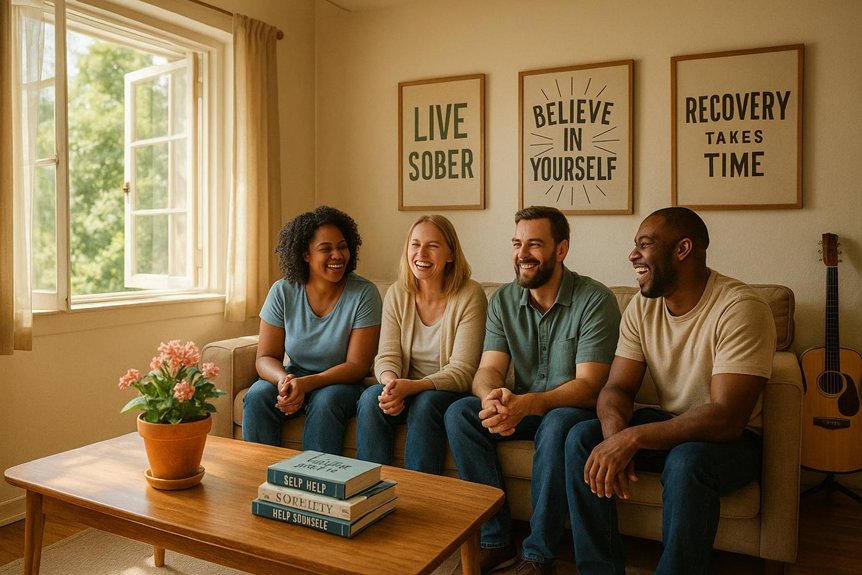
Imagine you're fresh out of rehab, enthusiastic yet anxious about what's next. Sober living homes offer the perfect balance of support and freedom, helping you bridge the gap to independence. You'll find structure, community, and guidance as you build resilience and essential life skills. It's a journey filled with daily responsibilities and meaningful connections. Curious about how these homes prepare you for sustainable sobriety and help navigate post-recovery challenges? There's so much more to discover.
Understanding Sober Living Homes
When you're exploring sober living homes, it's essential to understand what they offer and how they can support your recovery journey. These homes provide an environment where sober living benefits are evident through structured resident responsibilities and clear house rules.
You'll find emotional support from both staff and peers, fostering personal growth. The environment's impact is profound, as it encourages reaching recovery milestones.
Engaging in social activities with others in similar situations enhances peer dynamics, promoting a sense of community. Accountability measures, such as regular check-ins, help you stay on track, while positive peer dynamics encourage mutual support.
Explore How Sober Living Supports Recovery
In sober living homes, you'll find an environment that encourages building healthy habits, essential for lasting recovery.
These spaces offer a community where you can connect with others on similar journeys, providing valuable peer support.
Together, these elements create a foundation that helps you navigate the challenges of sobriety with confidence and care.
Building Healthy Habits
Although the journey to recovery can be challenging, sober living homes offer a structured environment that fosters the development of healthy habits essential for long-term sobriety.
You'll engage in habit tracking to monitor progress and embrace mindfulness practices to stay grounded. Nutrition education helps you make healthier food choices, while regular exercise routines boost physical and mental well-being.
Developing social skills is key to building positive relationships, and effective stress management reduces triggers. Time management and goal setting guarantee you're focused and productive.
Emotional regulation and self-care strategies empower you to handle life's ups and downs with resilience. These supportive elements combine to create a foundation where you can thrive, making each day a step toward independent, sober living.
Establishing Peer Support
Even though recovery is a personal journey, establishing peer support in sober living homes can profoundly enhance your experience.
You'll find that peer mentorship and support networks offer invaluable guidance. By sharing experiences, you connect with others who truly understand your path. Accountability partnerships help you stay committed, while group activities foster emotional resilience and build essential communication skills.
Through conflict resolution and trust building exercises, you’ll navigate challenges together, reinforcing collective goals. These interactions create a safe space where you can grow and learn from each other.
As you develop these connections, you'll notice an increase in confidence and a stronger foundation for your independent life. Embracing these opportunities leads to lasting change and a supportive community.
How Rehab and Sober Living Differ: What to Expect
When you're moving from rehab to sober living, it's important to understand how they differ in structure and support.
Rehab often provides a more controlled environment with strict supervision, while sober living offers more flexibility and independence.
You'll also find that sober living homes foster a sense of community, giving you ongoing support as you continue your recovery journey.
Structure and Supervision Levels
Understanding the differences in structure and supervision levels between rehab and sober living homes can help you make informed decisions about your recovery journey.
In rehab, you experience a highly structured environment with constant supervision. Sober living homes, however, offer more freedom, allowing you to gradually shift to independence.
Need Help Finding Treatment?
Our specialists can help you find the right substance abuse treatment program. Free, confidential, available 24/7.
Get Help Today: (855) 410-4488Here’s what you can expect in sober living:
- Structure types: Less rigid than rehab, fostering personal growth.
- Supervision levels: Reduced, promoting self-discipline and accountability.
- Resident responsibilities: Encourages chores and active participation.
- House rules: Essential for creating a supportive, safe environment.
- Communal activities: Enhance your support network and community bonds.
These elements help ease you through change phases, ensuring you’re ready for independent life while maintaining accountability measures.
Duration and Flexibility Differences
Although rehab programs are typically more rigid regarding duration, sober living homes offer a flexible timeline that can be tailored to your needs. This adaptability allows you to align recovery timelines with personal goals, ensuring that adjustment phases occur at your own pace.
Unlike the fixed time commitments in rehab, sober living homes provide program variations to accommodate individual needs. You can develop adaptive strategies that suit your lifestyle, making change periods smoother.
This flexibility supports your unique journey, allowing you to focus on the areas most important to you. By embracing this approach, you’re empowered to take charge of your recovery, fostering growth and independence while utilizing available support options to strengthen your path to a healthier life.
Community and Support Systems
With the flexibility of sober living homes in mind, let's explore how community and support systems differ between rehab and sober living environments.
In rehab, support networks are structured and intense, focusing on immediate recovery. Sober living offers a more relaxed atmosphere where community engagement and friendship building thrive. You'll find shared experiences and group activities that enhance emotional resilience and social skills.
- Mentorship programs provide guidance and support.
- Accountability partnerships keep you on track.
- Conflict resolution techniques help manage disputes.
- Group activities foster a sense of belonging.
- Support networks encourage long-term recovery.
In sober living, you’re encouraged to grow at your own pace, building relationships that last beyond the program.
It’s about creating a supportive life beyond rehab.
How Community Helps in Sober Living
When you're traversing the path to sobriety, the sense of community can be a powerful ally. Engaging with others through community activities and social events fosters mutual support and shared experiences.
In sober living homes, group therapy sessions and emotional bonding provide a safe space to express and heal. You'll find that participating in networking opportunities introduces you to new perspectives and friendships.
Communication workshops enhance your ability to connect and resolve conflicts, while also building essential life skills. Through these interactions, you learn to navigate challenges together, creating a nurturing environment.
Life Skills for Independence: Preparing for Transition
Shifting to independent living can feel overwhelming, but building financial literacy and developing healthy routines are key steps you can take.
You'll learn to manage your budget, plan nutritious meals, and establish a consistent daily schedule.
These skills empower you to regain control and confidently advance forward.
Building Financial Literacy
Consider these steps:
- Financial Planning: Set clear financial goals to guide your journey.
- Income Generation: Explore diverse ways to increase your earnings.
- Expense Tracking: Monitor spending to identify areas for improvement.
- Investment Options: Learn about opportunities to grow your wealth.
- Debt Reduction: Focus on strategies to minimize and manage debt.
Developing Healthy Routines
While building financial literacy lays a strong foundation, developing healthy routines is just as important for achieving independence. Start your day with mindful mornings, setting positive intentions. Balanced meals nourish your body and mind. Create exercise routines that fit your lifestyle, boosting energy and mood. Prioritize self-care practices to maintain well-being.
| Activity | Benefit |
|---|---|
| Mindful Mornings | Sets positive intentions |
| Balanced Meals | Nourishes body and mind |
| Exercise Routines | Boosts energy and mood |
| Self-Care Practices | Maintains well-being |
Practice effective time management to achieve your goals. Engage in social activities to build connections. Incorporate stress management techniques to handle challenges. Reflect on personal growth and explore creative outlets for expression. These routines can help you shift smoothly into an independent life.
Why Accountability and Peer Support Matter
Recognizing the vital role of accountability and peer support in sober living homes can make all the difference in recovery.
Accountability and peer support are crucial in sober living homes, significantly impacting recovery.
You'll find that having accountability partners and peer mentorship helps in forming strong support networks. Shared responsibilities and group activities foster emotional bonds and trust building, essential for healing.
Developing communication skills and conflict resolution techniques enhances your journey towards collective goals. Here’s how these elements contribute:
- Accountability partners help you stay on track.
- Peer mentorship provides guidance and insight.
- Support networks offer a sense of belonging.
- Shared responsibilities teach cooperation.
- Group activities encourage connection and trust.
These elements work together, creating an environment where you feel supported, understood, and empowered to continue your recovery journey confidently.
Strategies to Prevent Relapse
Even though relapse can be a challenging concern, adopting effective strategies can greatly reduce its likelihood.
First, identify your relapse triggers and develop coping strategies to handle them. Emotional regulation is key; practice mindfulness to stay present and manage feelings effectively.
Engaging in stress management through self-care routines, such as exercise or meditation, can help maintain balance. Lean on your support networks, including accountability partners who understand your journey.
Celebrate recovery milestones to keep motivation high and remind yourself of your progress. Use motivational techniques to set realistic goals and stay focused on them.
Pick the Best Sober Living Environment
- Cost analysis: Does it fit your budget?
- Amenities review: Are there facilities that support your well-being?
- House rules: Do these promote a healthy living atmosphere?
- Community engagement: Is there a supportive community vibe?
- Recovery philosophy alignment: Does it match your values and goals?
Assess your transition readiness to find the best fit for sustained recovery.
Navigating the Transition to Independent Living
As you prepare to shift to independent living, it's important to approach this new chapter with thoughtful planning and self-awareness.
Embrace personal growth by setting clear goals and making necessary lifestyle adjustments. Building emotional resilience is key; use coping strategies and mindfulness practices to stay grounded.
Recognize the value of support networks—friends, family, or support groups can offer stability and encouragement.
Develop effective time management skills to balance responsibilities, ensuring you prioritize stress management.
Regular self-reflection helps maintain self-awareness, guiding your journey toward independence.
Practical Tips for Success in Sober Living Homes
Finding success in sober living homes requires commitment and a proactive approach. Embrace self care strategies to nurture your well-being, and develop effective communication skills to foster mutual understanding with peers.
Here are some practical tips to help you thrive:
- Practice mindfulness to stay present and manage stress effectively.
- Set achievable goals to maintain focus and motivation on your recovery journey.
- Use time management techniques to balance responsibilities and personal growth.
- Build relationships by engaging in group activities and supporting others.
- Learn emotional regulation and coping mechanisms to handle challenges confidently.
Overcoming Challenges in Sober Living Homes
Although living in a sober home can be incredibly rewarding, you might encounter various challenges along the way. Managing relapse triggers requires emotional resilience and effective coping strategies. Strengthening your communication skills and setting clear boundaries can alleviate conflicts. Stress management and self-care practices are essential for maintaining balance. Focus on goal setting to keep your motivation high, and develop conflict resolution techniques to navigate disagreements.
Here’s a quick guide:
| Challenge | Solution |
|---|---|
| Relapse Triggers | Emotional Resilience |
| Conflict | Communication Skills |
| Stress | Self-Care Practices |
| Confusion | Goal Setting |
| Disagreements | Conflict Resolution |
Long-Term Benefits of Sober Living Homes
While the journey may have its challenges, the long-term benefits of sober living homes are profound and transformative.
The journey has challenges, but sober living homes offer profound and transformative benefits.
You'll discover long-term stability and emotional resilience, which are vital for maintaining sobriety. These homes foster social integration, helping you build meaningful connections and relationships.
Personal growth is encouraged, enhancing self-awareness and life satisfaction. You'll also develop effective coping strategies, essential for steering through life's ups and downs.
Consider these benefits:
- Long term stability: Provides a structured environment for sustained sobriety.
- Emotional resilience: Strengthens your ability to handle stress.
- Social integration: Encourages building supportive friendships.
- Career planning and goal setting: Helps you set and achieve personal and professional goals.
- Relationship building: Cultivates deeper connections with others.
Sober living homes support your journey to a fulfilling life.