What Happens During a Typical Day in Inpatient Rehab
Atrium Addiction Care Staff
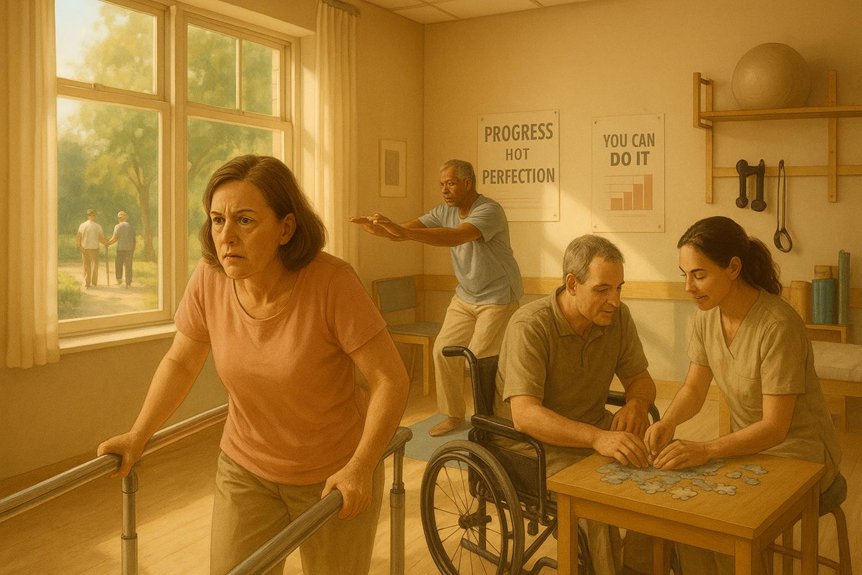
In inpatient rehab, your day unfolds with a structured routine designed to support healing and growth. You'll start with quiet reflection and light exercise, setting a positive tone. As you navigate individual therapy and engaging group activities, you'll find connection and support. Mindful eating fuels your recovery, and personal reflection helps process your experiences. Evening brings calming activities, preparing you for restful sleep. Curious about how each element intertwines for holistic recovery?
Preparing for Your Stay
When you're getting ready for your stay in inpatient rehab, it’s important to gather both your emotional resolve and practical necessities. Start by focusing on packing essentials—clothing, toiletries, and personal items that bring comfort.
Emotional preparation is key; think about the coping mechanisms you'll use and the support systems you can rely on. Set clear goals for your recovery journey, and don’t hesitate to involve family in this process. They can be an invaluable part of your support network.
Before your stay, engage in medical assessments to understand your needs fully. Develop communication strategies to express your concerns and progress with the rehab team.
Morning Kick-Off: Setting a Positive Tone
As you start your day in inpatient rehab, embracing a structured morning routine can set a positive tone for your recovery journey. Morning rituals lay the foundation for a focused day, helping you shift smoothly into your healing process.
Begin with a moment of quiet reflection or meditation, letting positive affirmations guide your mindset. These affirmations reinforce your strength and commitment, reminding you of the progress you’re making.
Engage in light physical activity, which boosts your mood and energy levels. Surround yourself with supportive peers and staff who share encouraging words. This atmosphere fosters a sense of community and belonging.
Nutrition: Fueling Recovery
In your journey to recovery, nutrition plays a crucial role in restoring your strength and energy.
You'll focus on balanced meal planning to guarantee you’re getting the essential nutrients needed to heal and thrive.
Balanced Meal Planning
While it’s crucial to focus on physical and emotional healing during inpatient rehab, balanced meal planning plays an equally important role in your recovery journey.
Embracing meal diversity guarantees you receive essential nutrients, accommodating your unique dietary preferences. You’ll have access to various cultural foods, allowing you to feel more at home and connected.
Need Help Finding Treatment?
Our specialists can help you find the right substance abuse treatment program. Free, confidential, available 24/7.
Get Help Today: (855) 410-4488Mindful eating encourages you to savor each bite, fostering a deeper appreciation for nourishment. Portion control is emphasized, helping you understand how much fuel your body truly needs.
Snack options are thoughtfully integrated, providing you with energy throughout the day.
Hydration and Wellness
Nourishing your body doesn’t stop at balanced meals; hydration plays an essential role in your recovery journey. Embracing the hydration benefits can greatly enhance your wellness strategies.
By integrating simple hydration tips, like sipping water throughout the day, you support your body’s healing processes. Understanding hydration importance means recognizing it as foundational to your wellness routines.
Engage in wellness practices that include hydration tracking to guarantee you’re meeting your daily needs. Set achievable wellness goals that align with your recovery, knowing that each sip contributes to your overall well-being.
Tailored Dietary Needs
Here's what you'll experience:
- Portion control guarantees you meet your calorie requirements, promoting steady healing.
- Cultural considerations are integrated, honoring your background and traditions.
- Meal timing and snack options are strategically scheduled for peak energy levels.
- Food education sessions enhance your understanding, empowering you to make informed choices.
Your journey is supported by compassionate professionals dedicated to fueling your recovery with care and precision.
Therapy Sessions: Core of Inpatient Rehab
Therapy sessions are at the heart of inpatient rehab, providing the vital structure and support for recovery. You’ll engage in individual therapy, focusing on personal recovery goals and emotional support.
Family involvement plays an important role, offering a network of understanding and encouragement. You’ll learn coping strategies and behavioral techniques to manage challenges effectively.
Mindfulness practices help center your thoughts, while art therapy offers a creative outlet for expression. Motivation techniques keep you inspired, driving progress.
Through skill building, you’ll develop necessary tools for a sustainable recovery journey. Each session is designed to empower you, fostering resilience and growth.
The compassionate guidance from professionals guarantees you’re never alone on this path, helping you rebuild and thrive.
Group Activities: Building Connections
Connecting with others in a supportive environment can be transformative, and group activities in inpatient rehab are designed to foster these connections. You’ll engage in collaborative activities that enhance communication skills and team bonding, creating a sense of belonging.
Collaborative activities in rehab enhance communication and bonding, fostering a transformative sense of belonging.
These sessions provide emotional support and trust building through shared experiences. Here’s what you might experience:
- Icebreaker Games: Ease into social interaction, breaking down barriers and forming initial connections.
- Role-Playing Exercises: Practice real-world scenarios, boosting confidence and communication.
- Art and Music Therapy: Express emotions creatively, fostering group dynamics and empathy.
- Group Discussions: Share personal stories, offering and receiving support in a safe space.
These activities help you build meaningful relationships and strengthen your recovery journey.
Personal Reflection: Strategies for Inner Growth
While traversing your recovery journey, personal reflection becomes a powerful tool for inner growth. Engaging in self-awareness practices helps you understand your emotions and reactions. Mindfulness techniques, like focused breathing, enhance your emotional resilience, allowing you to face challenges with a calm mind. Setting personal goals provides direction and motivation, guiding you toward a fulfilling future.
Here's a brief guide to aid your reflection:
| Strategy | Benefit |
|---|---|
| Self-awareness practices | Better understanding of emotions |
| Mindfulness techniques | Increased emotional resilience |
| Journaling | Clarifies thoughts and feelings |
| Goal setting | Provides motivation and direction |
| Gratitude exercises | Fosters a positive outlook |
Exercise: Strengthening Body and Mind
Engage in exercise to transform both your body and mind. In inpatient rehab, exercise isn’t just physical—it’s a holistic practice that strengthens your mental well-being too. Here’s how you can benefit:
- Mindfulness Practices: Incorporate mindfulness into your routine as you exercise. Focus on each movement and breath, connecting body and mind.
- Physical Therapy: Work with skilled therapists to address specific needs. They’ll guide you through exercises that promote healing and strength.
- Customized Workouts: Tailor your exercise regimen to your unique goals. Whether it’s improving mobility or building endurance, there’s a plan for you.
- Community Support: Share your journey with others. Group activities foster camaraderie, making exercise a joyful, shared experience.
This blend nurtures resilience, helping you heal both inside and out.
Evening Routine: Relax and Recharge
As the sun sets, it's time to wind down with an evening routine that helps you relax and recharge. You’ll engage in mindful practices designed to promote stress relief and personal downtime. Evening rituals might include guided meditation or gentle yoga, offering you relaxation techniques to ease the day’s tension.
These self-care activities are essential for nurturing your mental and physical well-being.
Afterward, you'll have the opportunity to strengthen social connections by sharing experiences with fellow residents. This part of your unwinding methods fosters a supportive community, essential for healing.
As the evening progresses, you can enjoy some quiet time, perhaps reading or journaling, allowing you to reflect on your progress. This routine creates a peaceful shift into a restful night's sleep.